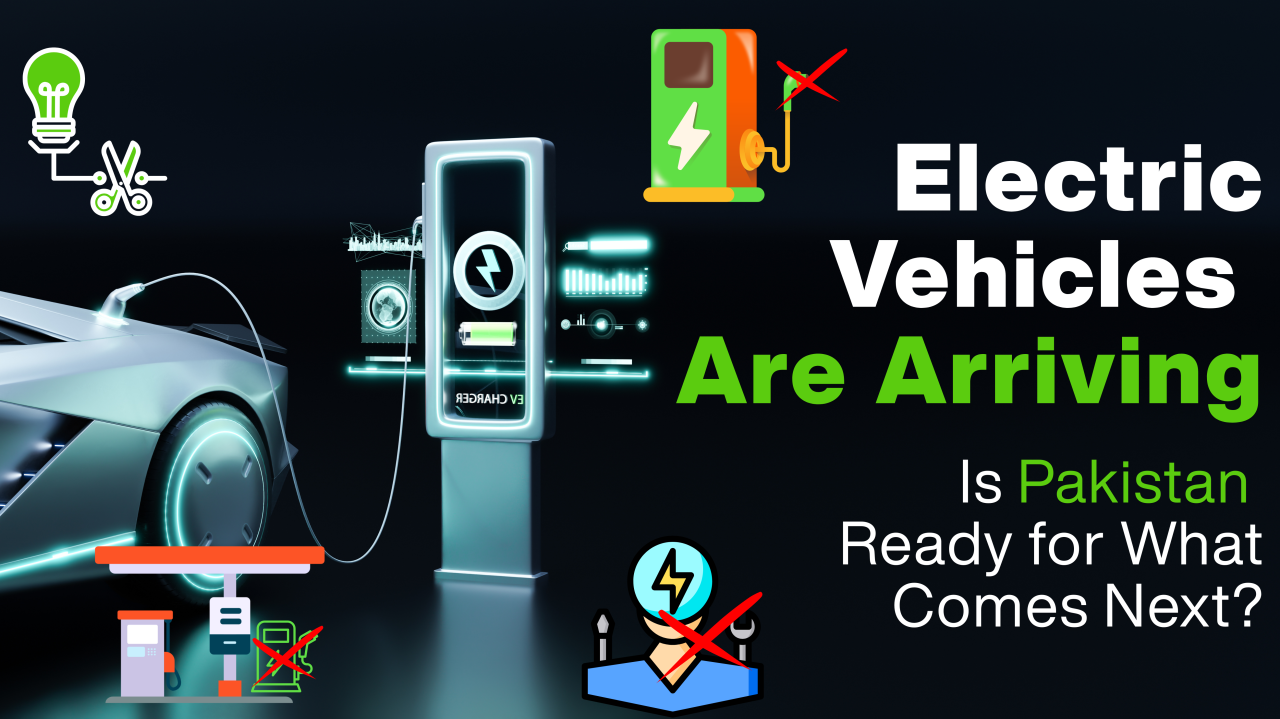
As I mentioned in my recent blog, according to industry data compiled by Arif Habib Limited (AHL), 23 new vehicle models are expected to be launched between June and December 2026, with nearly 87% of them being electrified vehicles.
This reflects the direction in which Pakistan’s automotive industry is heading. Electrification is no longer a future concept, it is becoming a market reality.
However, I also highlighted an important concern:
The risks associated with rapid electrification when the supporting ecosystem is still evolving. The transition to EVs is not simply about introducing new vehicle models. It requires a comprehensive ecosystem that includes reliable charging infrastructure, grid stability, service networks, trained technicians, spare parts availability, emergency support, and long-term policy consistency.
At present, we have adopted only part of the ecosystem—the vehicle itself. The supporting infrastructure and operational framework are still developing. This gap can affect consumer confidence and may slow widespread adoption if not addressed proactively.
The automotive industry, energy sector, infrastructure providers, and policymakers must move forward together. A successful EV transition will not be measured by the number of electric vehicles sold, but by the reliability and readiness of the entire ecosystem that supports them.
Electrification is undoubtedly the future. The challenge is ensuring that the ecosystem evolves at the same pace as the vehicles themselves.
However, the success of this transition depends on much more than the availability of electric vehicles. The real challenge lies in developing the entire ecosystem that supports them.
Recently, a family traveling from Islamabad to Lahore experienced firsthand one of the concerns many potential EV buyers still have. During their journey, they encountered difficulties finding a properly functioning charging facility. Whether the issue was inadequate trip planning, poor maintenance of the charging station, or a power outage is not the main point. The larger lesson is that a journey that should have been smooth and memorable turned into a stressful and regrettable experience.
As EV adoption accelerates, consumers need confidence that charging infrastructure will be reliable, accessible, and operational. Charging stations must not only be installed but also maintained and supported by a dependable power supply.
Another critical factor is policy consistency. Automotive manufacturers, investors, infrastructure providers, and consumers all make long-term decisions based on government policies. Frequent policy shifts can slow investment and create uncertainty in a sector that requires substantial capital and planning.
Pakistan’s EV revolution is undoubtedly underway, and the opportunities are immense. But the future will not be determined solely by the number of electric vehicles on our roads. It will depend on how effectively we build and sustain the ecosystem around them—charging infrastructure, grid reliability, service networks, skilled technicians, and stable government policies.